
Half Moon Wedding Tables
One Table, Four Layouts: What “S-Shaped” Actually Means on a Wedding Floor Plan
Planners throw around “serpentine,” “half moon,” and “S-shaped” like they’re three different products. They’re usually not. Most of the time it’s the same quarter-circle table piece, and the layout name just describes how many of them got pushed together and which direction they’re facing. Worth untangling before ordering, because getting the piece count wrong is the most common mistake with this category.
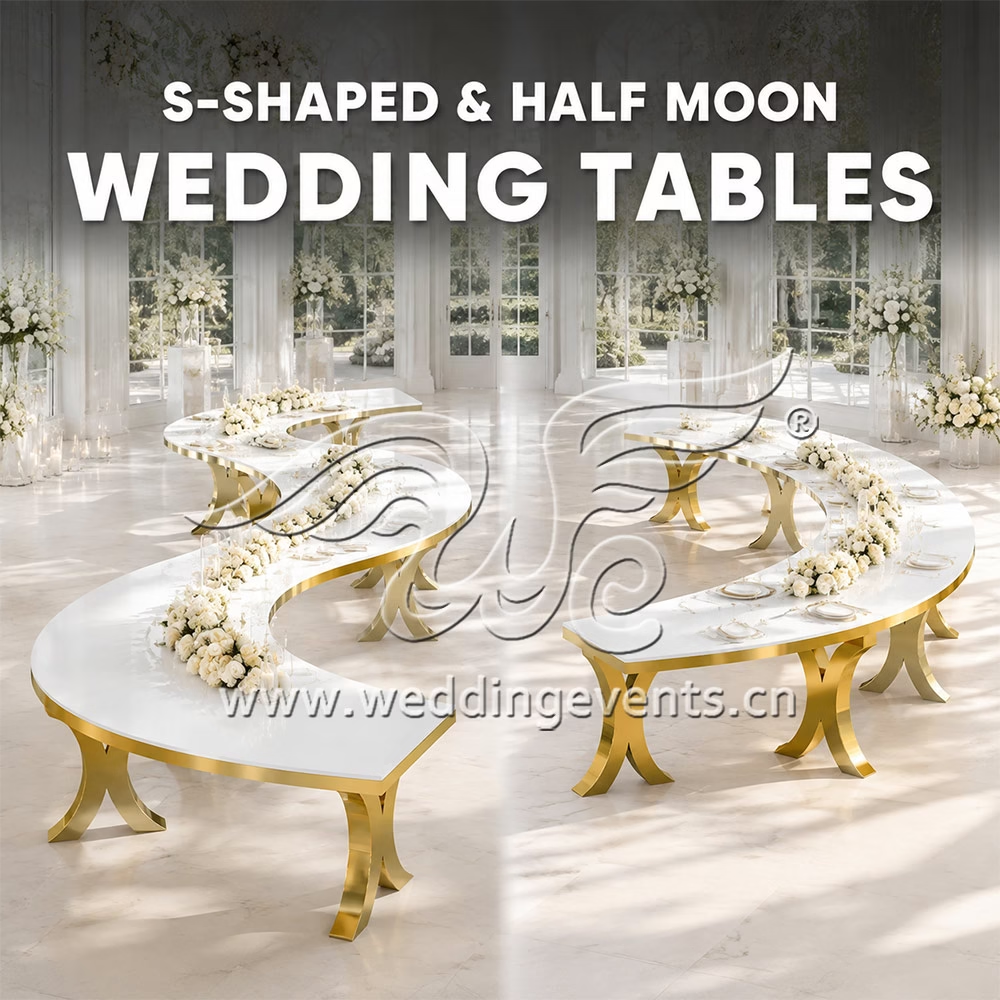
How the modular system actually works
The base unit is a quarter-circle table — one curved wedge, usually on a stainless steel or gold-finished metal frame with an MDF or glass top. On its own, it’s not much. Put two together end to end, alternating direction, and the curves lock into a winding S shape — that’s the serpentine layout, good for a long buffet or dessert line that needs visual movement instead of a straight row. Turn those same two pieces to face the same way, and you get a half moon or crescent. Add a third or fifth piece (odd numbers close the curve evenly) and the same wedges form a half circle or a full ring.
That’s the whole trick. One SKU, several layouts, and the difference between them is entirely in how the venue staff arranges the pieces on setup day — not in what gets ordered.
What’s actually in the set
- Quarter-circle wedge tables, sold in sets of 2, 3, or 5 depending on the target shape
- Frame in stainless steel or gold-finished metal, X-leg or straight-leg versions
- Tabletop in MDF (standard) or glass (upgraded, heavier, better for a formal reception)
- Some versions include an LED-lit edge or base for evening receptions
- Legs typically knock down for flat-pack shipping — assembly on site, not welded as one piece
Where each shape actually gets used
Serpentine (S-curve): buffet lines, dessert tables, or a bar setup where a straight table would feel flat. The winding shape also naturally breaks up a long wall of food into visual sections without needing separate signage.
Half moon/crescent: sweetheart tables and head tables. The curve lets the couple face the room instead of sitting behind a flat edge, and it reads better in photos than a straight rectangular head table does.
Full circle: cocktail-style standing tables or a small VIP gathering spot — rare, but it’s the same pieces just closed into a ring.
A layout mistake worth avoiding
The most common ordering error isn’t the finish or the material — it’s piece count. A venue plans for a half moon, orders two wedges, and then can’t close the curve into the fuller shape they actually wanted for the photo they saw on Pinterest. Confirm the target layout before ordering, not after: two pieces make a shallow crescent, three or five make something close to a full circle. If the plan might change between booking and event day, order the higher piece count — it’s easier to use fewer wedges in a shallower curve than to source one more piece last-minute in a matching finish.
Before you order
Glass-top versions are noticeably heavier than MDF and need two people per wedge for setup and breakdown — factor that into labor time if it’s a same-day flip between ceremony and reception. Gold and stainless finishes photograph differently under warm venue lighting than they do in a catalog shot, so if a client is matching to existing decor, ask for a finish sample rather than trusting the product photo alone. LED versions need a power source planned into the floor layout ahead of time; it’s not something venue staff can improvise around on setup day.
Building a curved table layout for your next event? Browse the S-shaped table collection at Wedding Events, or reach out about piece counts and finish options for your specific layout.
If you want to know more about outdoor weddings, please click on this: Wedding Flower Stands & Candy Carts